
Create a Wallet
Understand accounts, addresses and recovery information before you create one.
Learn the basics →A multi-chain wallet, blockchain network and Web3 knowledge hub from imtoken
From multi-chain balances and network selection to transfers, DApp connections, signatures, approvals and wallet security, imtoken brings practical actions and on-chain knowledge into one clear path. Review the address, network and request details every time, and keep recovery information under your own control.
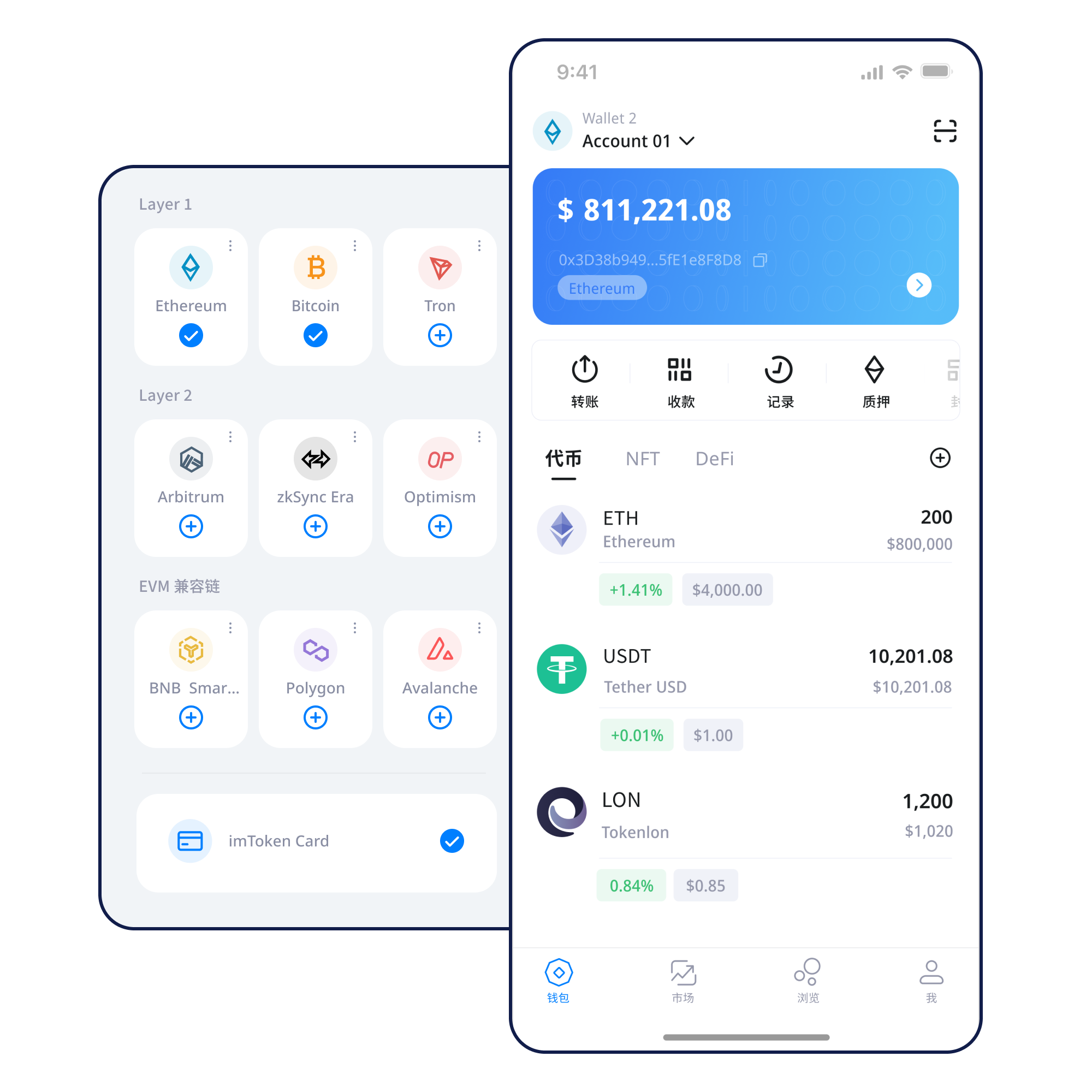
Understand accounts, addresses and recovery information before you create one.
Learn the basics →Keep the seed phrase offline. Do not screenshot, upload or send it to anyone.
Backup principles →Verify the receiving address and network before expecting a transfer.
Receiving guide →Check the address, network, amount, gas and any required memo before sending.
Transfer checks →Connections, signatures, transactions and approvals are separate actions.
Connection flow →A wallet does more than show balances. It connects addresses, networks, transactions and permissions. Understanding those relationships makes each confirmation easier to evaluate.
The same asset name can exist on different networks. Verify the network, address format and token contract before drawing conclusions from a balance or transaction.
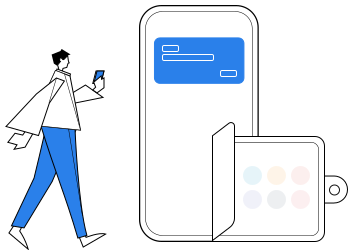
Build a complete check around the receiving address, network, amount, gas and transaction hash.
View the flow →Use the mobile wallet to view assets, manage networks, follow transaction history and review critical fields before confirming.
A browser connection only establishes account interaction. Signatures, transactions and token approvals still require independent review of the target, request details and permission scope.
Understand web connections →Keep seed phrases and private keys offline and private. Treat unfamiliar approvals, remote access and phishing domains with caution.
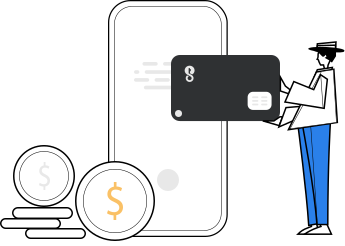
Public chains, EVM networks, Layer 2 systems and gas mechanisms each carry their own context. After switching networks, assets, fees, confirmation speed and explorers may all change.
Each chain has its own network state, fee asset, confirmation behavior and explorer. A similar-looking address never replaces a network check.
Explore multi-chain →After broadcast, a transaction must be received and included by the network. Confirmation and finality depend on that chain's mechanism.
Understand public chains →
Similar addresses and contract models do not replace checks for chain ID, gas asset and destination network.
Understand EVM →
Cross-layer transfers can involve a bridge, waiting and multiple confirmations. Verify source and destination networks before choosing a route.
Understand Layer 2 →
Fees vary with network rules, congestion and transaction complexity. When a transaction is pending, inspect its hash before repeating the action.
Gas & confirmations →From getting the wallet to reviewing transactions and approvals, the goal is not speed. It is knowing what each confirmation means.
Use the site's unified download entry and verify the source you are visiting.
Know whether you are creating a new account or restoring one, and keep recovery material under your control.
Do not screenshot, upload or send seed phrases or private keys.
Confirm the target chain, gas asset and recipient-supported network.
Review the address, network and amount, and use a small test transfer when appropriate.
Keep the transaction hash, verify confirmation and revisit DApp permissions that are no longer needed.
Before entering a DApp, verify the domain and network. After connecting, inspect what the site is asking for. Message signatures, transaction signatures and token approvals have different effects, so treat each as a separate decision.
Connecting a wallet does not mean every signature request should be accepted. Review each signature and approval independently.
Wallet security spans recovery material, devices, networks, DApps, signatures, approvals and transfers. Keep seed phrases and private keys under your own control. Official personnel will not ask for them, and they should never be sent to anyone. Be especially careful with public devices, public networks, remote-control tools, fake support messages, unsolicited airdrops and phishing links. Because confirmed on-chain transactions generally cannot be reversed by a wallet alone, verify addresses, networks, amounts and contract requests before approving them.
Open the security center →An address identifies where assets can be received; seed phrases and private keys relate to account control; the network determines where the asset lives and how gas works; the transaction hash is used to inspect on-chain status; DApp connections, signatures and approvals introduce distinct permission layers. Understanding how these concepts fit together is more useful than memorizing a sequence of taps.
Start with the fundamentals →Nodes, blocks, consensus and finality.
Addresses, gas, tokens and approvals.
Mainnet relationships, bridges and arrival checks.
Spenders, allowance size and revocation.
Recovery material, devices and transaction checks.
Understand terms in real operating contexts.
Staking does not guarantee returns. Rewards, exit waiting, validator state, protocol penalties, smart-contract risk and market volatility can all affect outcomes.
Ethereum PoS uses validators to participate in block proposals and attestations. Reward sources, network state, withdrawals and exits can change with protocol conditions and should not be read as a fixed annual return.
Understand staking →Validators can face protocol penalties, exits can involve waiting, third-party services and smart contracts add risk, and digital asset prices can fluctuate.
Understand validators →All download actions begin from the site's download entry. Content pages do not trigger downloads automatically.
Similar address formats never replace checks for network, gas asset and recipient support.
Be cautious with fake support, unfamiliar links, remote access and requests to export private keys.
Understand validator mechanics, protocol queues, contract risk and market volatility before participating.
No. Seed phrases and private keys should remain under the user's control, and official personnel will not ask for them.
Compatible address formats do not make networks identical. Assets, gas and transaction state still belong to their respective networks.
Keep the transaction hash and inspect its state on the relevant network before repeating the action.
Connections, signatures, transactions and token approvals are independent requests with different permission effects.
Cross-layer routes can involve bridges, batch submission, challenge periods or other protocol-specific mechanisms.
No. Rewards can change with protocol, validator and network conditions, while asset prices can also fluctuate.
Use the unified download entry, then follow the beginner path through creation, backup, network checks and on-chain verification.